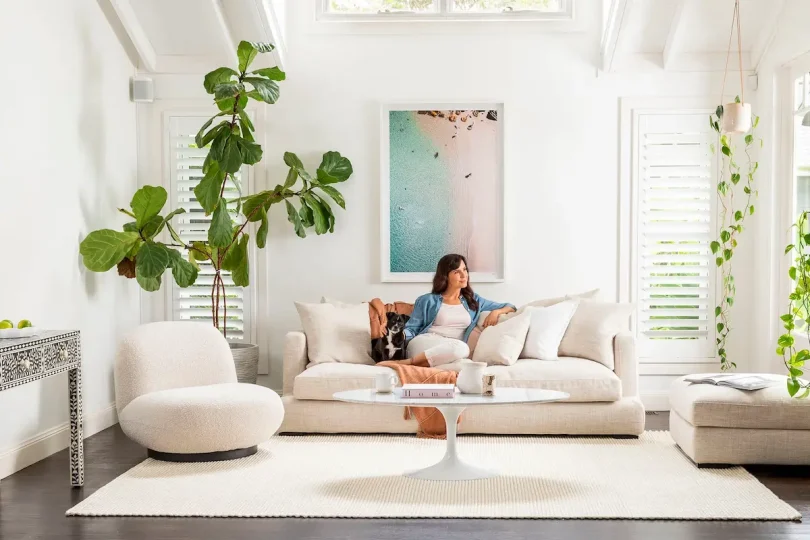

If you’re looking for comfortable living style tips, you’re probably searching for ways to make your home feel more relaxing, practical, and enjoyable. A comfortable living style is not about having the biggest house or the most expensive furniture. It’s about creating a space where you can unwind, stay organized, and enjoy everyday life with ease.
Whether you live in a small apartment or a large family home, a few thoughtful changes can make a huge difference in your comfort level. In this guide, you’ll discover practical and easy-to-follow comfortable living style tips that can help transform your home into a cozy retreat.
What Is a Comfortable Living Style?

A comfortable living style focuses on creating an environment that supports relaxation, convenience, and well-being. It combines functionality with comfort, ensuring that every room serves a purpose while also feeling inviting.
Key elements include:
- Cozy furniture
- Good lighting
- Organized spaces
- Soft textures
- Balanced colors
- Practical layouts
- Personal touches
The goal is to create a home that works for your lifestyle rather than forcing you to adapt to your space.
Why Comfortable Living Matters
Your home has a direct impact on your mood, productivity, and overall happiness. When your living space feels comfortable:
- Stress levels may decrease
- Daily tasks become easier
- Sleep quality often improves
- Family members feel more relaxed
- Guests feel welcome
Comfortable living isn’t just about appearance; it’s about improving your quality of life.
Comfortable Living Style Tips for Every Home
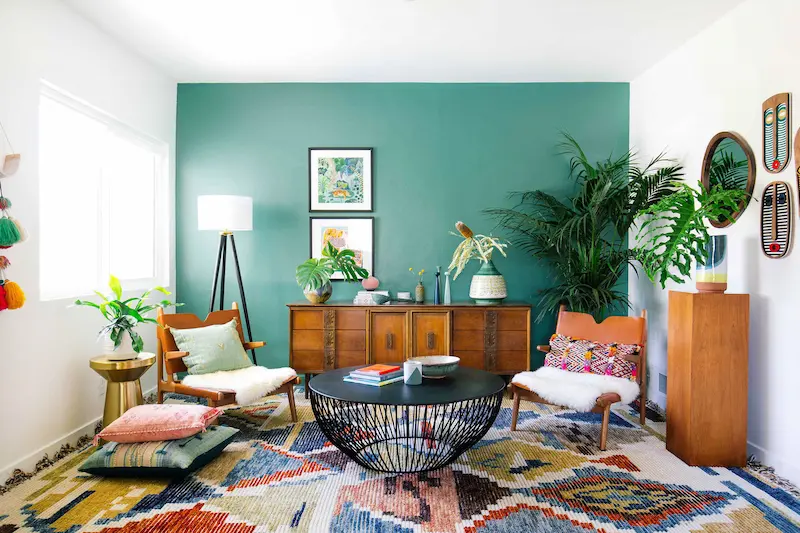
1. Choose Comfortable Furniture
Furniture is one of the biggest factors in home comfort. Instead of focusing solely on looks, prioritize comfort and usability.
Consider:
- Sofas with supportive cushions
- Ergonomic chairs
- Beds with quality mattresses
- Functional dining chairs
- Soft ottomans and footrests
When buying furniture, always test comfort before style whenever possible.
2. Use Soft and Cozy Textures
Textures instantly make a room feel warmer and more inviting.
Add:
- Plush rugs
- Soft blankets
- Decorative pillows
- Cotton bedding
- Linen curtains
Layering different textures creates depth and makes spaces feel cozy throughout the year.
3. Improve Natural Lighting
Natural light can dramatically improve the comfort of a room.
Ways to maximize sunlight:
- Keep windows clean
- Use light-colored curtains
- Place mirrors strategically
- Avoid blocking windows with large furniture
- Choose lighter wall colors
Bright spaces often feel larger, fresher, and more welcoming.
4. Declutter Regularly
One of the most important comfortable living style tips is keeping your home organized.
Too much clutter can make a space feel stressful and crowded.
Start by:
- Removing unused items
- Organizing storage spaces
- Using baskets and containers
- Creating designated areas for belongings
- Donating things you no longer need
A clutter-free environment promotes a calmer mindset.
5. Create Functional Layouts
A well-designed layout improves daily movement and comfort.
Tips include:
- Leave clear walking paths
- Avoid overcrowding rooms
- Arrange seating for conversation
- Place frequently used items within reach
- Design rooms around their primary purpose
Good layouts make homes feel more spacious and easier to use.
6. Select Relaxing Colors
Color affects mood more than many people realize.
Popular comfortable color choices include:
- Soft beige
- Warm white
- Light gray
- Sage green
- Dusty blue
- Cream tones
These colors create a peaceful atmosphere without overwhelming the space.
You may also like to read this:
Best Home Design Inspiration 2026 For Every Room
Budget Home Design Ideas For Modern Low-Cost Living Spaces
Modern Living Style Ideas For A Clean and Elegant Interior
Affordable Home Living Style Inspiration For Every Home
Minimal Living Style Ideas For A Simple and Peaceful Home
Make Your Bedroom a Comfort Zone
Invest in Quality Bedding
Your bed should be the most comfortable spot in your home.
Choose:
- Breathable sheets
- Supportive pillows
- Comfortable mattresses
- Cozy blankets
Quality sleep contributes significantly to overall well-being.
Keep the Bedroom Simple
Avoid excessive furniture and decorations.
A simple bedroom often feels:
- More relaxing
- Easier to clean
- Less stressful
- Better for sleep
Focus on essentials and meaningful décor.
Comfortable Living Style Tips for the Living Room
Create a Conversation Area
Arrange seating to encourage interaction.
Try:
- Facing sofas toward each other
- Using a central coffee table
- Adding side chairs
- Keeping seating accessible
A welcoming living room supports social connection.
Add Warm Lighting
Layer different light sources, including:
- Floor lamps
- Table lamps
- Wall sconces
- Warm LED bulbs
Soft lighting creates a relaxing evening atmosphere.
Bring Nature Indoors
Nature helps create a calming environment.
Easy ways to do this include:
- Houseplants
- Fresh flowers
- Natural wood furniture
- Stone accents
- Indoor herb gardens
Plants can improve both aesthetics and indoor air quality.
Keep Your Home Comfortable Year-Round
During Summer
- Use lightweight fabrics
- Improve airflow
- Install ceiling fans
- Choose breathable bedding
During Winter
- Add thick rugs
- Use heavier blankets
- Seal drafts
- Introduce warm lighting
Seasonal adjustments help maintain comfort throughout the year.
Design a Relaxation Corner
A dedicated relaxation space can make a big difference.
Ideas include:
- Reading nook
- Meditation corner
- Window seat
- Small lounge area
Add comfortable seating, soft lighting, and a few favorite books for a peaceful retreat.
Focus on Practical Storage Solutions
Storage is essential for maintaining a comfortable living style.
Useful options include:
- Storage benches
- Floating shelves
- Under-bed storage
- Built-in cabinets
- Multi-purpose furniture
Good storage keeps your home organized without sacrificing style.
Personalize Your Space
Comfort comes from feeling connected to your surroundings.
Add:
- Family photos
- Travel souvenirs
- Artwork
- Favorite books
- Meaningful decorations
Personal touches make a house feel like home.
Healthy Habits for Comfortable Living
A comfortable home goes beyond décor.
Consider:
- Regular cleaning routines
- Proper ventilation
- Healthy indoor plants
- Fresh air circulation
- Noise reduction strategies
These habits contribute to a healthier and more enjoyable living environment.
Common Mistakes to Avoid
When applying comfortable living style tips, avoid:
- Buying furniture solely for appearance
- Overcrowding rooms
- Ignoring lighting needs
- Using too many bold colors
- Neglecting organization
- Following trends that don’t fit your lifestyle
Comfort should always be your top priority.
Final Thoughts
These comfortable living style tips can help you create a home that feels welcoming, relaxing, and practical. Comfort isn’t about perfection or luxury—it’s about designing a space that supports your daily life and makes you feel at ease. By choosing comfortable furniture, reducing clutter, improving lighting, and adding personal touches, you can transform any space into a place you’ll love spending time in.
Start with small changes, and you’ll soon notice how much more enjoyable your home becomes.
FAQs
What are the best comfortable living style tips for small homes?
Focus on multifunctional furniture, smart storage solutions, light colors, and clutter-free spaces. These strategies help small homes feel larger and more comfortable.
How can I make my living room more comfortable?
Add cozy seating, soft lighting, comfortable textiles, and a functional furniture arrangement that supports relaxation and conversation.
Which colors create a comfortable living environment?
Neutral shades such as beige, cream, soft gray, sage green, and light blue are popular choices for creating a calming atmosphere.
Why is decluttering important for comfortable living?
Decluttering reduces visual stress, improves organization, and makes spaces feel more open and relaxing.
How can I create a comfortable home on a budget?
Use affordable updates such as rearranging furniture, adding throw pillows, introducing plants, improving lighting, and organizing existing spaces.