
If you feel like your room is too small to be comfortable or stylish, you’re not alone. Many people deal with compact apartments, small bedrooms, or limited living areas, especially in cities. The good news is that with the right small space planning tips, even a very tight space can feel open, organized, and surprisingly spacious. It’s not about how much space you have—it’s about how smartly you use it.
Let’s go deeper and explore practical, real-life strategies you can actually apply step by step.
Start With a Clear Understanding of Your Space
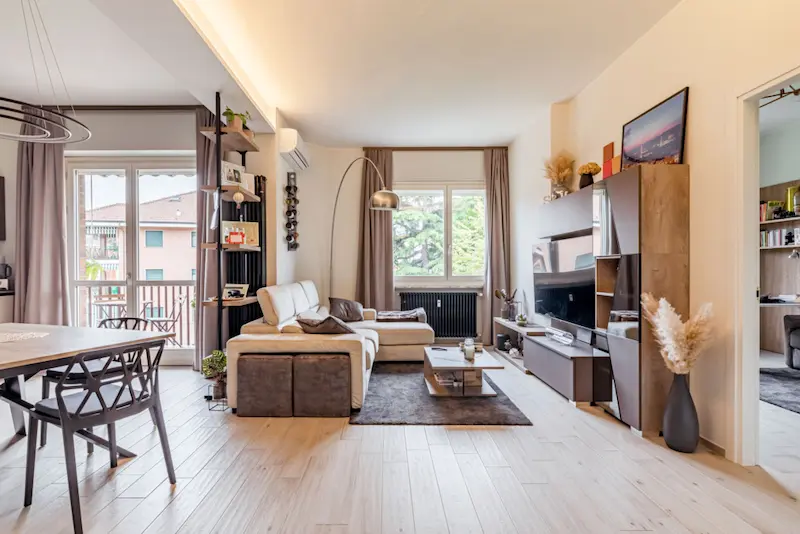
Before changing anything, spend time observing your room as it is. This step is often ignored, but it’s one of the most important small space planning tips you can follow.
Walk into your room and notice:
- Where do you naturally move the most?
- Which areas feel blocked or unused?
- Where does sunlight enter during the day?
- Which corners collect clutter?
This simple observation helps you understand your room’s “natural flow.” Every space has a rhythm—once you see it, you can plan around it instead of fighting against it.
A good trick is to imagine your room empty and mentally place furniture in different ways before actually moving anything.
Plan a Smart Layout Before Buying Anything
One of the biggest mistakes people make in small homes is buying furniture first and figuring out placement later. Instead, always plan the layout first.
Among all small space planning tips, this one saves the most time, money, and frustration.
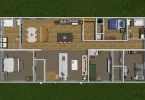
Draw your room on paper or use a simple floor planning app. Mark:
- Doors and windows
- Electrical sockets
- Walking paths
Then decide:
- Where the bed or sofa should go
- What should be the focal point
- How people will move through the space
A well-planned layout can make a 10×10 room feel like a 12×12 room just because the flow is better.
Choose Furniture That Fits the Room, Not the Catalog
Small spaces and large furniture are not a good combination. Even if a piece looks beautiful in a showroom, it may overwhelm your home.
One of the most practical small space planning tips is choosing proportionate furniture.
Look for:
- Slim-profile sofas instead of bulky ones
- Beds with built-in storage
- Foldable or extendable dining tables
- Chairs with open legs (they feel lighter visually)
Also, try to avoid overfilling the room. In small spaces, “less but better” always wins.
Use Vertical Space Like a Pro
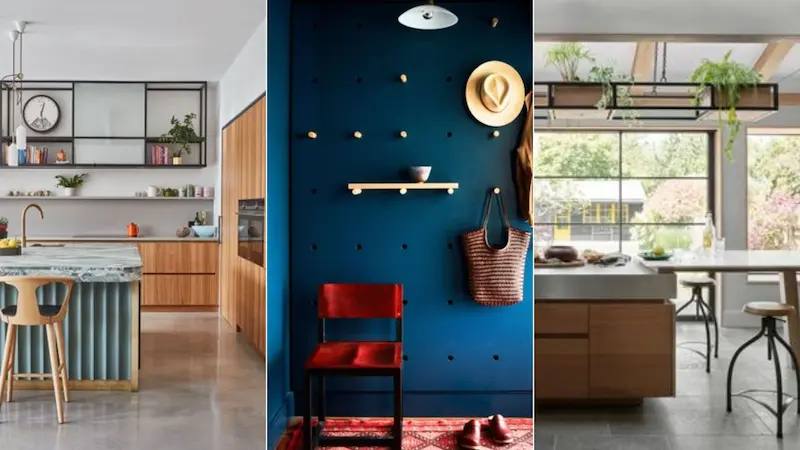
When floor space is limited, your walls become your best friend. Vertical planning is one of the smartest small space planning tips because it expands storage without shrinking movement space.
Here’s how to use it effectively:
Wall Shelves
Install floating shelves above desks, beds, or TV units. They can hold books, décor, or everyday items.
Tall Cabinets
Instead of wide cabinets, go for tall and narrow storage units that reach upward.
Hanging Storage
Use hooks behind doors or on empty walls for bags, keys, or kitchen items.
Vertical Decoration
Even artwork and mirrors placed higher can make ceilings feel taller.
The idea is simple: go up instead of out.
Keep the Floor as Open as Possible
A cluttered floor instantly makes a room feel smaller and heavier. One of the most underrated small space planning tips is protecting your floor space.
Try this:
- Use wall-mounted furniture where possible
- Choose raised furniture (visible floor underneath)
- Avoid unnecessary floor décor
- Keep only essential items on the ground
When the floor is visible, your brain automatically perceives the room as larger.
Master the Art of Storage
Storage is where small spaces succeed or fail. The goal is not just storage—it’s hidden, organized storage.
Here are smart ideas:
- Beds with drawers underneath
- Ottomans that open up for storage
- Storage benches near windows
- Stackable boxes inside cabinets
- Drawer organizers for small items
A key principle in small space planning tips is: if clutter is visible, the room feels smaller—even if it is organized.
Use Light Colors to Create an Airy Feel
Color has a psychological effect on space. Dark colors absorb light and make walls feel closer, while light colors open up the room visually.
Best options:
- White
- Soft cream
- Light grey
- Pastel shades like mint or blush
This doesn’t mean your room should look boring. You can still add contrast using:
- Cushions
- Rugs
- Wall art
- Plants
The trick is keeping the base light and the accents minimal.
You may also like to read this:
Living Room Decor Ideas For a Beautiful and Cozy Home
Bedroom Decor Ideas Simple To Create A Relaxing Sleep Space
Smart Budget Decor Ideas For Home That Save Money
Top Latest Decor Ideas Trends For A Stylish Modern Home
Easy Space Planning Ideas For Home To Improve Room Flow
Add Mirrors to Double the Visual Space
Mirrors are one of the oldest and most effective small space planning tips in interior design.
Why they work:
- They reflect natural and artificial light
- They create depth
- They visually “extend” walls
Best placements:
- Opposite windows (to reflect sunlight)
- Behind sofas or tables
- In narrow hallways
- On wardrobe doors
A large mirror can literally make a room feel twice as open.
Improve Lighting Layer by Layer
Bad lighting can make even a big room feel cramped. Good lighting can make a small room feel luxurious.
Instead of relying on one light source, use layers:
Ambient Lighting
Main ceiling light for overall brightness.
Task Lighting
Desk lamps or reading lights for specific tasks.
Accent Lighting
Soft lights to highlight décor or corners.
Warm, soft lighting often makes small spaces feel more inviting and spacious.
Keep Décor Simple but Intentional
Small spaces don’t need heavy decoration. They need meaningful decoration.
One of the most important small space planning tips is to avoid visual noise.
Instead of many items, choose:
- One or two wall art pieces
- A small plant in a corner
- A simple rug to define space
- A few coordinated cushions
Everything should feel intentional, not random.
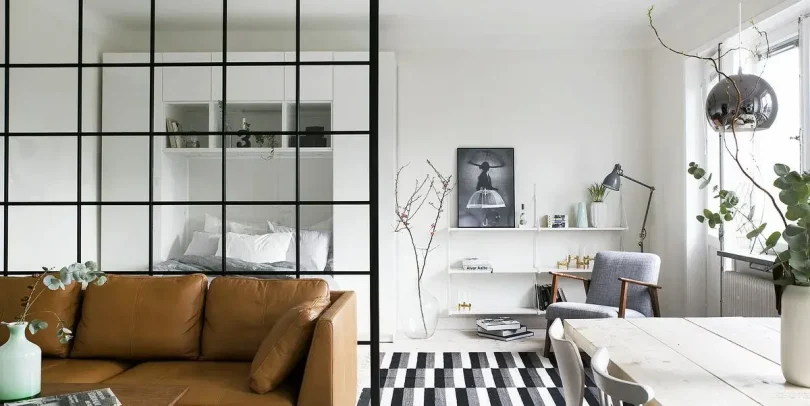
Create Zones in a Single Room
If your room serves multiple purposes (like sleeping + working + relaxing), create invisible zones.
You can do this using:
- Rugs to define areas
- Lighting differences
- Furniture placement
- Open shelving as dividers
For example:
- Bed area = rest zone
- Desk = work zone
- Small chair corner = reading zone
This is one of the most powerful small space planning tips for studio apartments.
Keep It Flexible and Easy to Change
Small spaces work best when they can adapt. Avoid overly fixed setups.
Choose:
- Lightweight furniture you can move
- Foldable items
- Modular storage systems
This flexibility allows you to refresh your layout anytime without major effort.
Final Thoughts
Small rooms don’t have to feel limiting or uncomfortable. With thoughtful design and practical small space planning tips, you can turn even the most compact area into a place that feels open, organized, and enjoyable to live in.
The real secret is not trying to “fit everything in,” but choosing what truly matters and arranging it wisely. When your space works with you instead of against you, even the smallest room starts to feel just right.
FAQs on Small Space Planning Tips
1. What are the best small space planning tips for beginners?
The best starting point is to focus on layout and decluttering. Understand your room’s flow, remove unnecessary items, and only keep essential furniture. Once that’s done, use vertical storage and light colors to make the space feel bigger.
2. How can I make a small room look bigger?
Use light colors, add mirrors, and keep furniture minimal and proportionate. Another helpful trick is to keep floors visible and avoid blocking natural light. These small space planning tips instantly create an open and airy feel.
3. What type of furniture is best for small spaces?
Multi-functional furniture works best. Think of sofa beds, storage ottomans, foldable tables, and beds with drawers. These options save space while giving you extra storage and flexibility.
4. How important is storage in small space planning?
Storage is extremely important. Without proper storage, even a well-designed room becomes cluttered quickly. Smart storage solutions like wall shelves, under-bed storage, and hidden compartments are key small space planning tips.
5. Can dark colors be used in small spaces?
Yes, but only in moderation. Dark colors can be used as accents, but the main base should stay light. Too many dark shades can make a small room feel even smaller and more closed in.