
If your home ever feels tight, cluttered, or “not working properly,” the issue is rarely the size of the space. Most of the time, it comes down to poor layout decisions. That’s exactly where smart space planning design becomes important.
Smart space planning design is about organizing your home in a way that improves comfort, movement, storage, and daily usability. It’s not just interior decoration—it’s the backbone of how your home functions.
Let’s walk through it step by step in a detailed, easy-to-understand way.
1. Understanding Smart Space Planning Design in Real Life
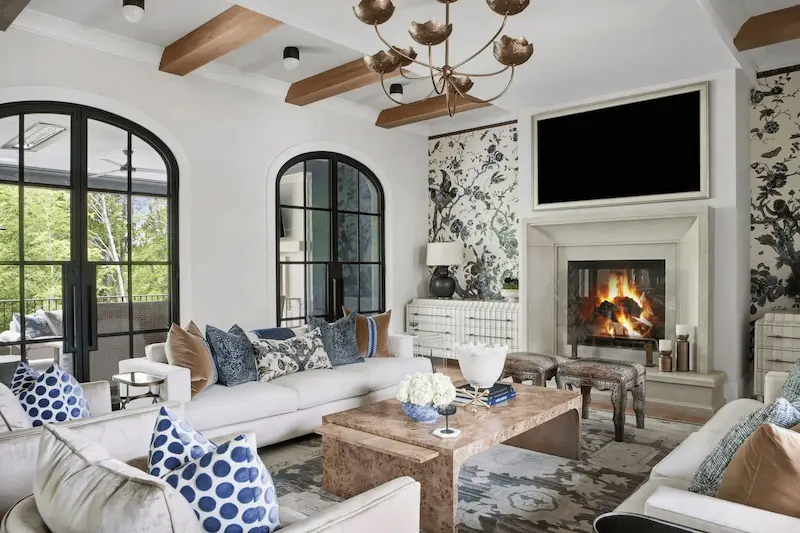
Before anything else, think of your home as a living system.
Every room has three key needs:
- Movement (how you walk through it)
- Function (what you do in it)
- Comfort (how it feels)
Smart space planning design brings all three together so nothing feels forced or cramped.
For example:
- A living room isn’t just sofas—it’s conversation space, relaxation space, and sometimes dining or working space.
- A bedroom isn’t just a bed—it’s sleep, storage, dressing, and sometimes reading or study space.
When planning smartly, you design around real life—not just furniture placement.
2. Start with a Floor Plan Mindset
You don’t need software or architecture skills. Just think like this:
Ask yourself:
- Where do I enter the room?
- Where do I naturally walk?
- Where does light come from?
- What do I use most in this room?
In smart space planning design, these answers decide everything.
Simple rule:
Design the room from “movement flow” first, then place furniture.
If movement feels blocked, the design will always feel wrong—even if it looks beautiful.
3. Movement Flow (The Most Important Principle)
Movement flow means how easily you move inside a space.
A well-planned room should allow you to:
- Walk without squeezing between furniture
- Reach important areas easily
- Avoid sharp turns and blocked paths
Practical example:
Bad design:
- Sofa blocking the walking path to balcony
- Bed too close to wardrobe so doors hit each other
Smart design:
- Clear walking lane from door to window
- Furniture placed along edges, not in the middle of pathways
This is one of the core foundations of smart space planning design.
4. Zoning: Turning One Room into Multiple Spaces
Even small homes can have “zones.”
Zoning means dividing a room into functional areas without physical walls.
Example in a living room:
- Sofa area → relaxation zone
- Corner chair + lamp → reading zone
- Small table → work or tea zone
Example in a studio apartment:
- Bed area → sleep zone
- Divider shelf → storage + separation
- Rug area → living zone
You are basically telling your brain:
“This space has structure.”
That makes even small homes feel organized and bigger.
5. Furniture Placement Strategy
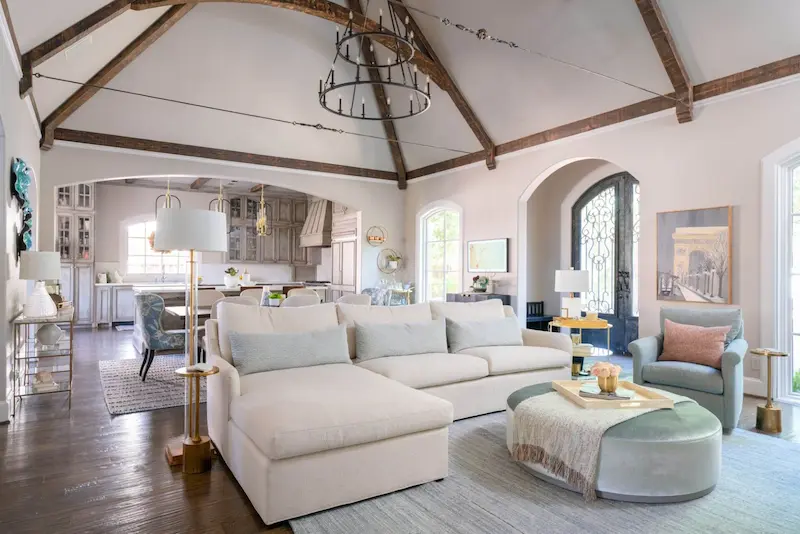
Furniture placement is where most people go wrong.
In smart space planning design, furniture should always follow this order:
Step 1: Anchor pieces first
These are big items like:
- Bed
- Sofa
- Dining table
Step 2: Secondary items
- Chairs
- Side tables
- Storage units
Step 3: Accessories last
- Lamps
- Rugs
- Decor items
Golden rule:
Never place furniture randomly—every item must serve a purpose.
6. The Power of Multi-Functional Furniture
If your space is limited, this is a game-changer.
Examples:
- Sofa bed → seating + sleeping
- Storage ottoman → seating + storage
- Foldable dining table → expandable space
- Wall-mounted desk → saves floor area
This is a major pillar of smart space planning design, especially in modern apartments.
7. Vertical Space: The Most Ignored Opportunity
Most people only use floor space. That’s a mistake.
Walls are powerful storage areas.
You can use:
- Tall shelves
- Hanging cabinets
- Wall hooks
- Vertical wardrobes
Why it matters:
Using vertical space:
- Frees up floor area
- Makes rooms feel taller
- Reduces clutter visually
If your room feels small, look up—not out.
8. Light and Visual Space Expansion
Light is a hidden part of smart planning.
A well-planned space always uses light to its advantage.
Natural light tips:
- Don’t block windows with heavy furniture
- Use light curtains instead of dark drapes
Artificial lighting tips:
- Use layered lighting (ceiling + lamps + wall lights)
- Place lights in corners to remove shadows
Light makes a space feel larger without changing its size.
9. Storage Planning Without Clutter
Storage should be hidden, not dominant.
Bad planning:
- Open clutter everywhere
- Random storage boxes visible in corners
Smart planning:
- Built-in storage
- Under-bed storage
- Wall cabinets
- Hidden drawers
In smart space planning design, storage should disappear into the room—not dominate it.
10. Common Mistakes That Ruin Space Planning
Avoid these if you want a balanced home:
- Buying furniture before measuring space
- Blocking windows or doors
- Overcrowding rooms with décor
- Ignoring walking paths
- Mixing too many styles in one space
Even one of these can break the entire flow of your room.
You may also like to read this:
Bedroom Decor Ideas Simple To Create A Relaxing Sleep Space
Smart Budget Decor Ideas For Home That Save Money
Top Latest Decor Ideas Trends For A Stylish Modern Home
Easy Space Planning Ideas For Home To Improve Room Flow
Small Space Planning Tips For a Smart and Stylish Home
11. Small Home Smart Space Planning Tips
If your home is small, these tips matter a lot:
- Use mirrors to reflect light and create depth
- Stick to light colors (white, beige, soft grey)
- Keep décor minimal but meaningful
- Use sliding doors instead of swinging doors
- Choose compact furniture with slim legs
These tricks instantly make a space feel larger and more breathable.
Final Thoughts
Smart space planning design is not about making your home look expensive or stylish—it’s about making it work better for your daily life.
When your space is planned properly:
- You move easier
- You feel less stressed
- You stay more organized
- Your home feels naturally bigger
You don’t need a big house to feel comfortable—you just need a smart layout.
Start small. Rearrange one corner. Clear one pathway. Improve one zone at a time. Over time, your entire home will start to feel more open, functional, and peaceful.
FAQs on Smart Space Planning Design
1. What is smart space planning design?
Smart space planning design is the process of arranging furniture, storage, and movement paths in a way that makes a home more functional, comfortable, and visually organized. It focuses on how you use space in daily life, not just how it looks.
2. Why is smart space planning design important?
It is important because it helps you make the most of your available space. Good planning improves movement flow, reduces clutter, increases storage efficiency, and makes even small rooms feel more open and comfortable.
3. Can smart space planning design work in small homes?
Yes, it works especially well in small homes. By using multi-functional furniture, vertical storage, and proper zoning, you can make a compact space feel larger and more practical.
4. What are the basic principles of smart space planning design?
The main principles include:
Creating clear walking paths
Using space according to lifestyle needs
Choosing functional furniture
Avoiding overcrowding
Using vertical and hidden storage
5. What is the biggest mistake in space planning?
One of the biggest mistakes is placing furniture without considering movement flow. Blocking walkways, windows, or doors can make even a large room feel cramped and uncomfortable.