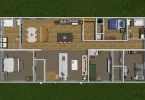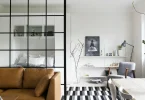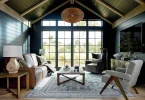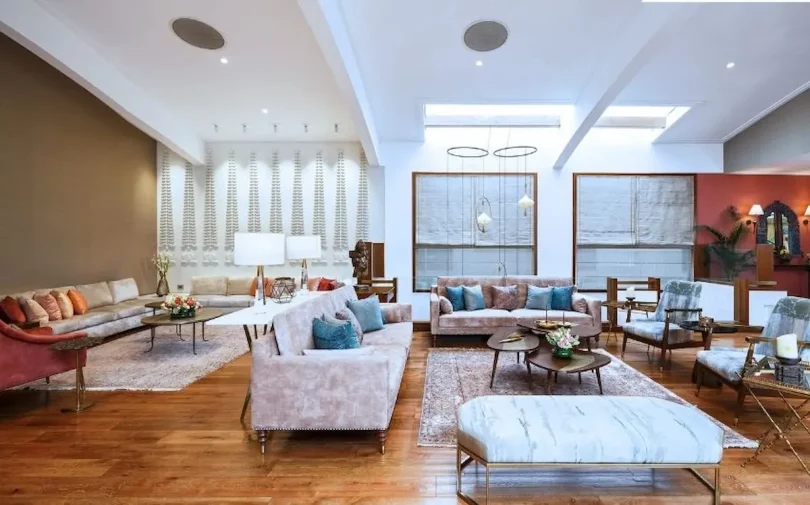

If you’ve ever walked into a room and felt like something is “off” even though everything is in place, you’re not alone. Most of the time, the issue isn’t decoration—it’s layout. That’s where a room space planning guide becomes incredibly helpful. A good room space planning guide helps you understand how to arrange furniture, create flow, and make even small rooms feel open, balanced, and comfortable.
Let’s go step by step and talk about how you can plan your room space like someone who actually lives in it—not just designs it.
What Is a Room Space Planning Guide?
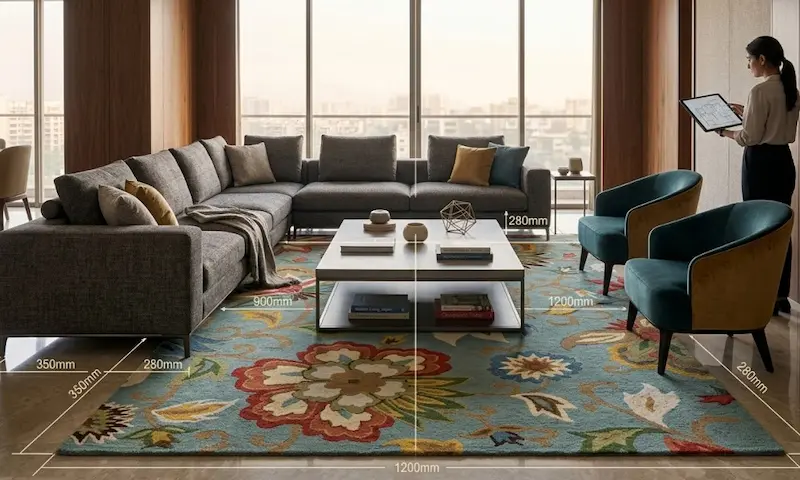
A room space planning guide is simply a structured way of organizing furniture and elements inside a room so everything fits well and functions properly. It’s not just about making things look pretty—it’s about making your space practical and easy to live in.
Think of it like this:
You’re designing how people will move, relax, work, and live inside your room.
A well-planned room gives you:
- Better movement and flow
- More usable space
- Less clutter
- A balanced and comfortable feel
Why Room Space Planning Matters
Before you start moving furniture around, ask yourself: why does this even matter?
Because poor layout can make even a big room feel cramped.
A strong room space planning guide helps you avoid common mistakes like:
- Blocking walkways with furniture
- Using oversized pieces in small rooms
- Pushing everything against the walls
- Ignoring natural light sources
When space is planned properly, your room instantly feels more open and relaxing.
Step 1: Understand Your Room Dimensions
Before buying or moving anything, measure your room.
Write down:
- Room length and width
- Window and door positions
- Built-in elements (closets, shelves, etc.)
This step is the foundation of any room space planning guide because without accurate measurements, everything else becomes guesswork.
Step 2: Decide the Purpose of the Room
Every room has a main purpose. Ask yourself: what do I want this room to do?
For example:
- Bedroom → rest and relaxation
- Living room → socializing and entertainment
- Office → focus and productivity
Once the purpose is clear, your room space planning guide becomes much easier to follow because every furniture choice should support that function.
Step 3: Create a Focal Point
Every well-designed room needs a focal point. This is the area that naturally draws attention.
It could be:
- A bed in a bedroom
- A TV unit in a living room
- A desk in a study
When using a room space planning guide, always build your layout around this focal point. It gives structure and balance to the entire room.
Step 4: Plan Your Furniture Layout
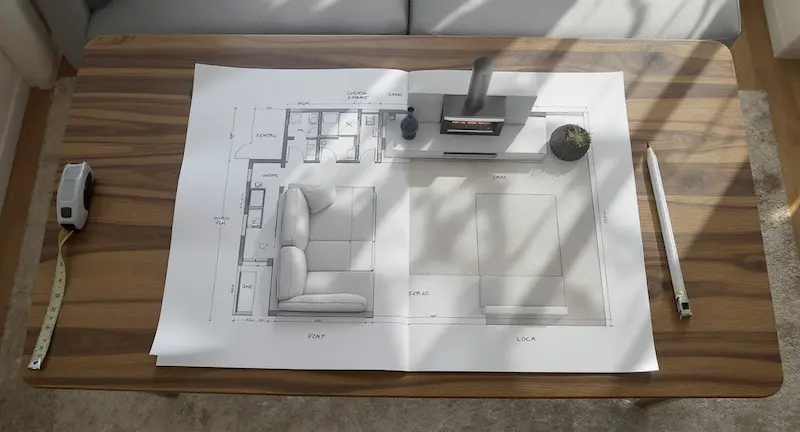
Now comes the practical part.
Instead of randomly placing furniture, think in zones:
- Sitting zone
- Storage zone
- Movement pathways
A good room space planning guide always ensures there is enough walking space—at least 2 to 3 feet between major furniture pieces.
Tips:
- Don’t push everything against the walls
- Balance large and small furniture
- Keep frequently used items within reach
Step 5: Focus on Flow and Movement
Flow is how easily someone can walk through your room without obstacles.
If you have to “zig-zag” just to move around, the layout needs fixing.
A smart room space planning guide ensures:
- Clear pathways between furniture
- No blocked doors or windows
- Smooth movement from one area to another
Think of your room like a mini road system—no traffic jams allowed.
Step 6: Use Multi-Functional Furniture
If your space is small, this step is a game changer.
Examples:
- Sofa beds
- Storage ottomans
- Foldable tables
- Wall-mounted shelves
A modern room space planning guide always recommends multi-functional pieces because they save space without reducing comfort.
You may also like to read this:
Smart Budget Decor Ideas For Home That Save Money
Top Latest Decor Ideas Trends For A Stylish Modern Home
Easy Space Planning Ideas For Home To Improve Room Flow
Small Space Planning Tips For a Smart and Stylish Home
Smart Space Planning Design Ideas to Maximize Small Spaces
Step 7: Balance Visual Weight
Even if a room is functional, it can still feel “heavy” on one side.
Balance your space by mixing:
- Tall and short furniture
- Light and dark colors
- Solid and open designs
A good room space planning guide is not just about space—it’s also about visual harmony.
Step 8: Leave Some Empty Space
Many people make the mistake of filling every corner.
But empty space is not wasted space—it’s breathing room.
Your room space planning guide should always include:
- Open walking areas
- Minimal clutter zones
- Clean corners
This makes your room feel larger and more peaceful.
Final Thoughts
A well-designed room doesn’t happen by accident—it happens with planning. When you follow a thoughtful room space planning guide, you’re not just arranging furniture; you’re designing how you live every day.
Start small. Measure your room, define its purpose, and slowly build a layout that works for your lifestyle. You don’t need a huge budget—just smart planning.
Once you get it right, you’ll notice something simple but powerful: your room will finally feel like it fits you.
FAQs – Room Space Planning Guide
1. What is a room space planning guide?
A room space planning guide is a step-by-step method for arranging furniture and designing a room layout so the space is functional, comfortable, and visually balanced.
2. Why is room space planning important?
Room space planning is important because it helps improve movement, reduces clutter, and makes even small rooms feel more open and usable. Without planning, rooms can feel crowded or disorganized.
3. How do I start planning my room space?
Start by measuring your room, noting doors and windows, and deciding the main purpose of the space. Then create a basic layout before placing furniture.
4. What is the best layout for a small room?
For small rooms, keep furniture minimal, use multi-functional pieces, and avoid blocking walkways. A simple, open layout works best to make the room feel bigger.
5. How much space should I leave between furniture?
A good rule in room space planning is to leave at least 2 to 3 feet of walking space between major furniture pieces for easy movement.