
If you’ve ever looked around your room and thought, “Why does everything feel cramped even though I don’t have that much stuff?”, then you’re exactly who efficient space planning ideas are made for. The truth is, most homes don’t have a space problem—they have a planning problem. And once you fix that, even a small room can feel open, organized, and surprisingly comfortable.
In this guide, we’ll walk through practical, realistic, and easy-to-apply efficient space planning ideas that can completely change how your home looks and feels. No complicated design jargon—just simple, smart strategies you can start using today.
What Does Efficient Space Planning Really Mean?
Before jumping into tips, let’s quickly understand the concept.
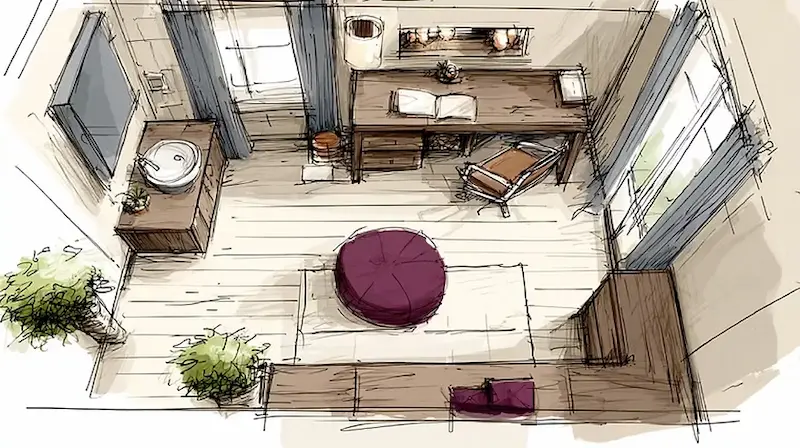
Efficient space planning is about using every inch of your home in a smart way so nothing feels wasted or overcrowded. It’s not about removing everything you own—it’s about placing things in the right way so movement feels natural and the space feels balanced.
Think of it like this: a well-planned room feels bigger without actually changing its size.
Start With a Clear Purpose for Each Room
One of the strongest efficient space planning ideas is defining the purpose of each room.
Ask yourself:
- What is this room mainly used for?
- What activities happen here daily?
- What do I actually need in this space?
For example, a bedroom should focus on rest and storage. If it’s also becoming your office, you need a plan to separate work and relaxation zones—even in a small area.
When a room has a clear purpose, you automatically avoid unnecessary furniture and clutter.
Use Multi-Functional Furniture
If there’s one rule you should always remember, it’s this: one item should do more than one job whenever possible.
Some smart examples include:
- Beds with built-in drawers
- Coffee tables with storage inside
- Foldable dining tables
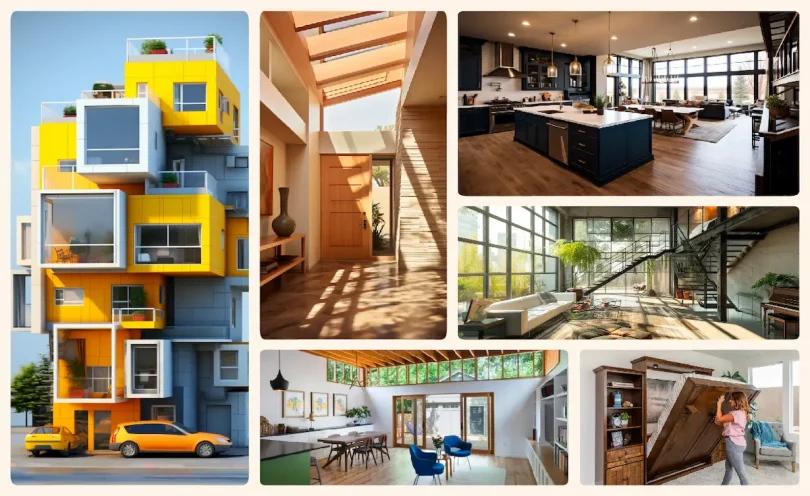
- Sofa beds for guests
- Wall-mounted desks
This is one of the most practical efficient space planning ideas because it reduces clutter without reducing comfort. You get more functionality without needing extra space.
Think Vertically, Not Just Horizontally
Most people only focus on floor space—but walls are your secret weapon.
Instead of spreading things out, go upward:
- Install tall shelves
- Use wall-mounted cabinets
- Hang storage racks in kitchens and bathrooms
- Add hooks behind doors
Vertical planning is especially powerful in small homes because it keeps the floor open, making the room feel larger and more breathable.
Create Open Pathways for Easy Movement
A room can look beautiful but still feel uncomfortable if movement is blocked.
One of the most overlooked efficient space planning ideas is ensuring clear walking paths.
Try this:
- Avoid placing furniture in the middle of walkways
- Keep at least one open route from door to main area
- Don’t overcrowd corners
When your movement feels natural, the entire space feels more relaxing and functional.
Choose the Right Size Furniture
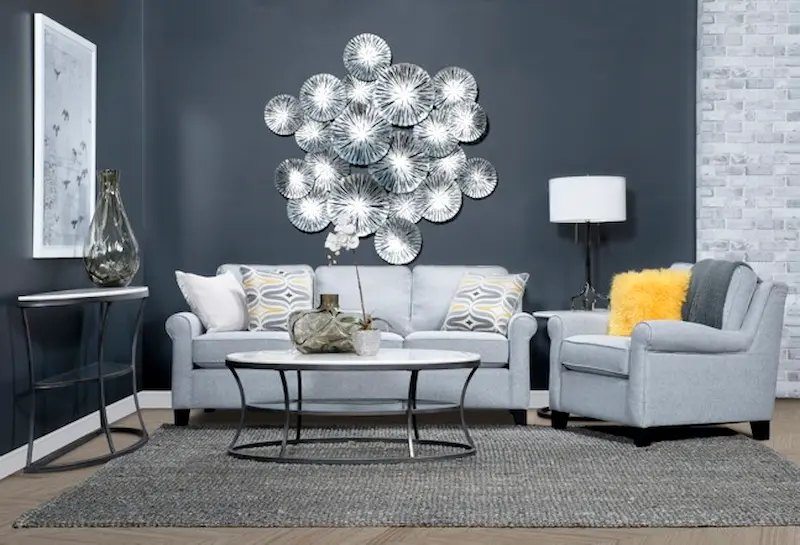
Bigger doesn’t always mean better. In fact, oversized furniture is one of the biggest reasons rooms feel tight.
Instead:
- Use slim sofas instead of bulky ones
- Choose small but functional tables
- Go for furniture with exposed legs (it creates a lighter visual feel)
This simple adjustment can instantly improve how spacious your home feels.
Use Light and Color to Expand Space Visually
Even though this is not physical planning, it plays a huge role.
Light colors such as:
- White
- Beige
- Soft grey
- Pastels
…help reflect light and make rooms appear larger.
Also:
- Use mirrors to reflect space
- Keep curtains light and airy
- Avoid too many dark-heavy walls
This is one of those efficient space planning ideas that works visually without changing structure.
You may also like to read this:
Top Latest Decor Ideas Trends For A Stylish Modern Home
Easy Space Planning Ideas For Home To Improve Room Flow
Small Space Planning Tips For a Smart and Stylish Home
Smart Space Planning Design Ideas to Maximize Small Spaces
Room Space Planning Guide For Perfect Room Arrangement
Declutter Regularly (This Is Non-Negotiable)
No matter how well you design your space, clutter can ruin it instantly.
A simple rule:
If you haven’t used something in 6–12 months, reconsider if you need it.
Try these habits:
- One-in, one-out rule (new item = remove old item)
- Weekly quick clean-ups
- Hidden storage for daily mess
Less clutter = more breathing room.
Use Zones in Open Spaces
If you live in a studio or open-plan home, zoning is extremely important.
You can create zones like:
- Sleeping zone
- Working zone
- Relaxing zone
- Dining zone
And you don’t even need walls. Use:
- Rugs
- Furniture placement
- Lighting changes
- Shelves as dividers
This is one of the smartest efficient space planning ideas because it organizes your lifestyle, not just your furniture.
Optimize Storage Spaces You Already Have
Most homes already have unused or poorly used storage areas.
Check:
- Under the bed
- Above cabinets
- Inside stairs
- Corners of rooms
- Behind doors
Adding simple organizers or boxes in these areas can free up a surprising amount of space.
Keep It Flexible for Future Changes
Your needs will change over time—so your space should be flexible too.
Choose:
- Movable furniture
- Foldable items
- Modular storage systems
This ensures your home adapts with you instead of becoming restrictive.
Final Thoughts
Good design is not about having a big house—it’s about using your space wisely. These efficient space planning ideas are all about making your home feel more open, comfortable, and practical without expensive renovations.
Start small. Even changing furniture placement or removing one bulky item can make a noticeable difference. Over time, these small improvements add up to a home that feels calm, organized, and truly livable.
FAQs
1. What are efficient space planning ideas?
They are strategies used to organize and arrange spaces in a way that maximizes functionality, comfort, and visual openness.
2. Can small homes benefit from space planning?
Yes, small homes benefit the most because smart planning helps reduce clutter and improve usability.
3. What is the most important rule of space planning?
Always prioritize functionality and movement before decoration.
4. Do I need expensive furniture for efficient space planning?
No, even simple and affordable furniture can work if placed and used correctly.
5. How often should I reorganize my space?
A light reorganization every few months helps maintain efficiency and avoid clutter buildup.