
If you’ve been struggling with a room that feels tight, messy, or just “not right,” then learning home layout planning tips can completely change how your space works for you. A well-planned layout is not about having a big house or expensive furniture—it’s about arranging what you already have in a smarter way so your home feels open, comfortable, and easy to live in.
Let’s go deeper into practical, detailed steps so you can actually apply these ideas in your own home, not just read about them.
Understand Your Lifestyle Before Anything Else
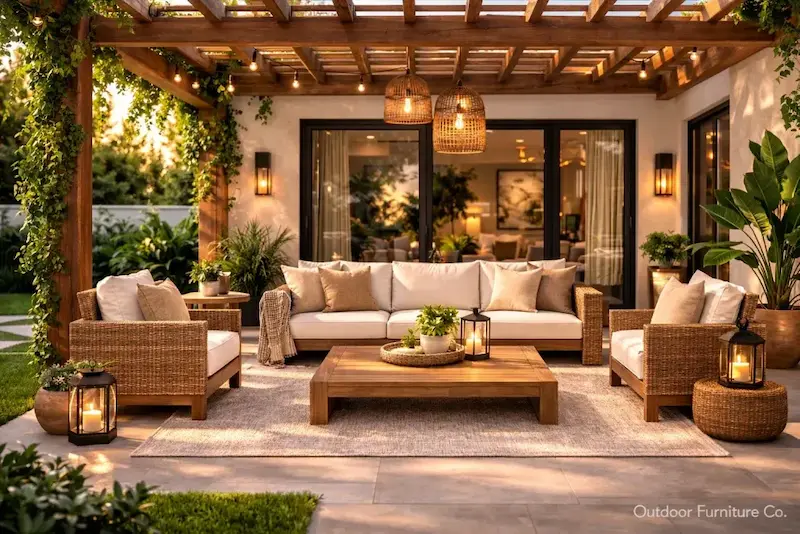
The biggest mistake people make is copying layouts from magazines or social media without thinking about their own life. A good home layout always starts with you.
Think about:
- How do you spend most of your time at home?
- Do you prefer open space or cozy corners?
- Do you host guests often?
- Do you work or study from home?
For example, if you have kids, you may need open floor space for movement. If you work remotely, a quiet corner with good lighting becomes essential.
One of the most important home layout planning tips is simple: design your home around your daily habits, not trends.
Measure Everything Before You Move Anything
This step sounds boring, but it saves you from big mistakes.
Before planning your layout, measure:
- Room length and width
- Door swings (important!)
- Window placement
- Built-in storage areas
Why does this matter? Because furniture that looks “perfect” in your mind might completely block a walkway or make a room feel cramped in real life.
Even professional designers always start with measurements—it’s the foundation of smart planning.
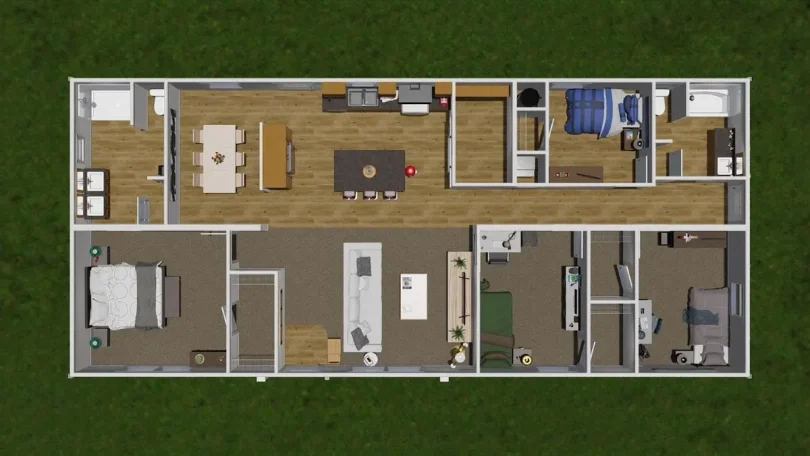
Create Functional Zones in Every Room
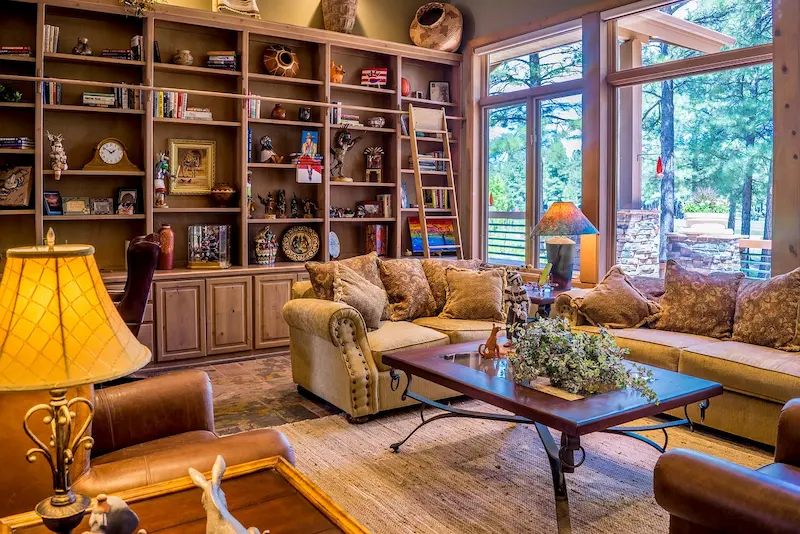
Instead of thinking of a room as one big space, break it into small functional areas.
Living Room Zones:
- Seating area (sofa + chairs)
- Entertainment area (TV or media unit)
- Reading or relaxation corner
Bedroom Zones:
- Sleeping area
- Dressing/storage area
- Small sitting or reading spot (if space allows)
Kitchen Zones:
- Cooking zone (stove area)
- Cleaning zone (sink/dishwashing)
- Storage zone (pantry or cabinets)
This zoning method is one of the most powerful home layout planning tips because it brings order to your space without adding extra furniture.
Keep Movement Flow Natural and Easy
A beautiful home is useless if moving around feels uncomfortable.
Make sure:
- Walkways are not blocked by furniture
- Doors can open fully without hitting anything
- You can move easily from one zone to another
A good rule of thumb is to imagine walking through your home while holding something in your hands. If you can move freely without turning sideways or squeezing through gaps, your layout is working.
Open flow also makes small rooms feel bigger instantly.
Choose Furniture That Works Smarter, Not Harder
Furniture plays a huge role in layout planning. Instead of just thinking about style, focus on functionality.
Look for:
- Beds with built-in storage drawers
- Sofas that can turn into beds
- Foldable dining tables
- Ottomans with hidden storage
Many modern furniture solutions from companies like IKEA focus specifically on small-space and multi-use designs, which can help you maximize every corner of your home.
This is one of those home layout planning tips that instantly makes your home more practical without needing extra space.
Use Walls and Corners Smartly
Walls are often underused. Instead of crowding the center of the room, push large furniture toward the edges.
- Use vertical shelves instead of bulky cabinets
- Place sofas against walls to open up floor space
- Turn empty corners into reading nooks or storage areas
Corners are especially powerful. A small corner chair, lamp, and side table can turn “wasted space” into your favorite spot in the house.
You may also like to read this:
Easy Space Planning Ideas For Home To Improve Room Flow
Small Space Planning Tips For a Smart and Stylish Home
Smart Space Planning Design Ideas to Maximize Small Spaces
Room Space Planning Guide For Perfect Room Arrangement
Efficient Space Planning Ideas To Maximize Home Space
Lighting Changes Everything
Even a perfect layout can feel wrong if lighting is poor.
Try to:
- Place seating near natural light
- Avoid blocking windows with tall furniture
- Use warm lighting in relaxation areas
- Add layered lighting (ceiling + lamps + accent lights)
Good lighting makes your layout feel intentional and balanced. It also helps separate zones without needing physical walls.
Avoid Overcrowding at All Costs
One of the most common mistakes is trying to fit too much into one room.
Ask yourself:
- Do I really need this piece of furniture here?
- Is this space functional or just full?
Empty space is not wasted space—it’s breathing room. It allows your home to feel calm instead of chaotic.
A strong home layout planning tips rule is: “If it doesn’t serve a purpose, it shouldn’t take space.”
Test, Adjust, and Improve Over Time
Your first layout doesn’t have to be final.
Try this:
- Arrange furniture temporarily
- Live with it for a few days
- Notice what feels comfortable or annoying
- Adjust as needed
Sometimes even shifting a sofa a few inches can dramatically improve flow and comfort.
Home layout planning is not a one-time task—it’s something you refine as you live in the space.
Final Thoughts
At the end of the day, great homes are not about size—they’re about smart design. When you apply these home layout planning tips, you’re not just arranging furniture; you’re creating a lifestyle that feels easier, calmer, and more enjoyable.
Start small, experiment, and focus on what makes your daily life smoother. Once your layout feels right, everything else in your home naturally falls into place.
FAQs – Home Layout Planning Tips
1. What are home layout planning tips?
Home layout planning tips are simple design strategies that help you arrange furniture and space in a way that improves comfort, movement, and functionality in your home. They focus on making your space more practical and visually balanced.
2. Why is home layout planning important?
Good layout planning helps you use every inch of your home efficiently. It reduces clutter, improves flow between rooms, and makes your home feel bigger, cleaner, and more comfortable to live in.
3. How do I start planning my home layout?
Start by understanding your daily lifestyle. Then measure your rooms, identify key activity areas (like sleeping, sitting, or working zones), and plan furniture placement around those needs.
4. What is the biggest mistake in home layout planning?
The most common mistake is overcrowding the space with too much furniture. This blocks movement, makes rooms feel smaller, and reduces comfort.
5. How can I make a small home feel bigger?
Use smart home layout planning tips like keeping walkways open, using light colors, choosing multi-functional furniture, and placing large items against walls to free up space.