
Choosing the best home design styles is one of the most important decisions you’ll make when building, renovating, or decorating a home. The design style you choose influences not only the appearance of your house but also how comfortable, functional, and enjoyable it is to live in every day.
Whether you’re planning a new home, remodeling your current space, or simply looking for inspiration, understanding the best home design styles can help you make confident design decisions. From sleek modern interiors to cozy farmhouse spaces and timeless traditional homes, every style offers unique characteristics that suit different lifestyles and preferences.
In this comprehensive guide, we’ll explore the most popular home design styles, their features, benefits, and how to choose the perfect one for your needs.
Why Home Design Style Matters
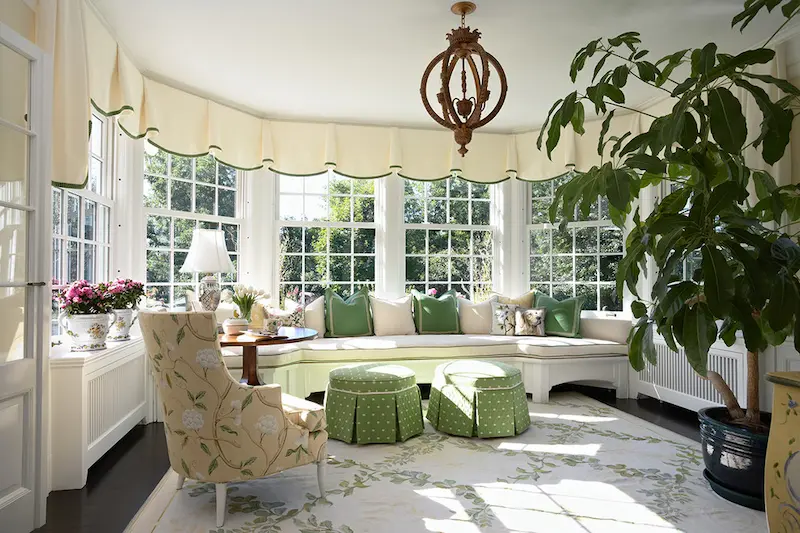
Many homeowners focus on furniture, paint colors, and decorations, but the overall design style is what ties everything together. A well-chosen design style creates harmony throughout your home and makes every room feel connected.
Benefits of choosing the right design style include:
- Better functionality and organization
- Increased property value
- Easier decorating decisions
- Improved comfort and lifestyle
- A more attractive and cohesive appearance
- Enhanced long-term satisfaction with your home
The best home design style isn’t necessarily the trendiest one—it’s the one that fits your lifestyle, budget, and personal taste.
1. Modern Home Design Style
Modern design remains one of the most popular and best home design styles around the world.
This style originated in the early 20th century and focuses on simplicity, functionality, and clean aesthetics.
Key Characteristics
- Straight, clean lines
- Open floor plans
- Large windows
- Neutral color palettes
- Minimal ornamentation
- Functional furniture
Advantages
Modern homes feel spacious and uncluttered. Natural light flows freely through open spaces, creating a bright and welcoming atmosphere.
Other benefits include:
- Easy maintenance
- Energy-efficient layouts
- Timeless appeal
- Better space utilization
Ideal For
- Urban homeowners
- Small and medium-sized homes
- People who prefer simplicity
- Families seeking practical living spaces
2. Contemporary Home Design Style
Although often confused with modern design, contemporary design focuses on current trends rather than a specific historical period.
Contemporary homes evolve over time and incorporate the latest innovations in architecture and interior design.
Key Characteristics
- Open spaces
- Large glass panels
- Curved and straight lines
- Smart home technology
- Sustainable materials
- Neutral colors with bold accents
Advantages
Contemporary homes offer flexibility and often include the latest energy-efficient technologies.
Benefits include:
- Modern appearance
- Adaptability to changing trends
- Improved energy performance
- Stylish interiors
Ideal For
Homeowners who enjoy modern trends and innovative design concepts.
3. Traditional Home Design Style
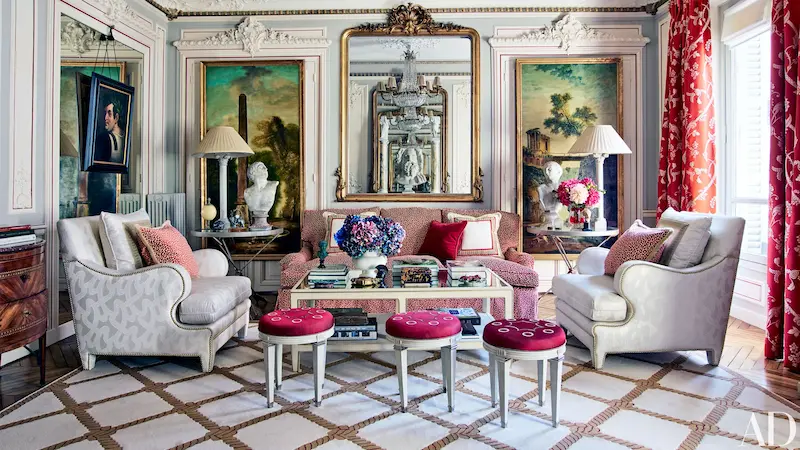
Traditional design is known for its elegance, warmth, and timeless beauty.
It draws inspiration from classic European architecture and remains one of the best home design styles for families seeking sophistication and comfort.
Key Characteristics
- Symmetrical layouts
- Decorative moldings
- Rich wood finishes
- Classic furniture
- Warm color schemes
- Detailed craftsmanship
Advantages
Traditional homes provide a welcoming atmosphere that never goes out of style.
Benefits include:
- Strong resale value
- Elegant appearance
- Comfortable living spaces
- Long-lasting design appeal
Ideal For
- Large family homes
- Luxury residences
- Homeowners who appreciate classic architecture
4. Minimalist Home Design Style
Minimalism follows the principle that less is more.
Instead of filling rooms with unnecessary furniture and decorations, minimalist homes focus only on essential elements.
Key Characteristics
- Simple furniture
- Open layouts
- Neutral color palettes
- Clean surfaces
- Limited décor
Advantages
Minimalist homes create a peaceful and organized environment.
Benefits include:
- Reduced stress
- Easier cleaning
- Improved focus
- Lower decorating costs
Ideal For
- Busy professionals
- Small homes
- People who value simplicity
5. Scandinavian Home Design Style
Scandinavian design combines functionality, comfort, and simplicity.
Originating from Nordic countries, this style has become one of the best home design styles worldwide.
Key Characteristics
- Bright interiors
- White and light colors
- Natural wood accents
- Cozy textiles
- Practical furniture
Advantages
Scandinavian homes feel warm despite their simplicity.
Benefits include:
- Comfortable atmosphere
- Excellent use of natural light
- Practical layouts
- Timeless appearance
Ideal For
Families and homeowners who want simplicity without sacrificing comfort.
You may also like to read this:
Best Modern Home Design Ideas For Every Room in Your Home
15 Best Home Design Ideas For Small Houses in 2026
Simple Home Design Tips: Easy Ideas For A Beautiful Home
Best Home Design Inspiration 2026 For Every Room
6. Farmhouse Home Design Style
Farmhouse design emphasizes comfort, warmth, and rustic charm.
Modern farmhouse design has become especially popular in recent years.
Key Characteristics
- Wooden beams
- Large kitchens
- Neutral colors
- Vintage-inspired décor
- Natural materials
Advantages
Farmhouse homes feel welcoming and family-friendly.
Benefits include:
- Cozy living spaces
- Relaxed atmosphere
- Timeless design
- Strong visual appeal
Ideal For
- Families
- Rural properties
- Large homes
7. Industrial Home Design Style
Industrial design takes inspiration from old factories and warehouses.
This style celebrates raw materials and unfinished architectural elements.
Key Characteristics
- Exposed brick walls
- Concrete floors
- Metal fixtures
- Open ceilings
- Large windows
Advantages
Industrial homes offer unique character and durability.
Benefits include:
- Low maintenance
- Distinctive appearance
- Strong materials
- Spacious layouts
Ideal For
- Loft apartments
- Urban homes
- Creative professionals
8. Rustic Home Design Style
Rustic homes focus on natural beauty and organic materials.
They create a strong connection between indoor living and nature.
Key Characteristics
- Stone walls
- Exposed wood
- Earth-toned colors
- Natural textures
- Handcrafted details
Advantages
Rustic homes feel warm, inviting, and authentic.
Benefits include:
- Natural charm
- Cozy atmosphere
- Durable materials
- Timeless appeal
Ideal For
- Mountain homes
- Country houses
- Vacation properties
9. Mediterranean Home Design Style
Mediterranean homes are inspired by the coastal regions of Spain, Italy, and Greece.
They are known for their elegance and outdoor living spaces.
Key Characteristics
- Stucco walls
- Clay tile roofs
- Arched windows
- Courtyards
- Decorative ironwork
Advantages
Mediterranean homes offer a luxurious yet relaxed lifestyle.
Benefits include:
- Beautiful architecture
- Excellent ventilation
- Outdoor entertainment areas
- Strong curb appeal
Ideal For
Warm climates and luxury residential properties.
10. Coastal Home Design Style
Coastal design captures the relaxing feeling of beachside living.
It creates bright, airy spaces that feel fresh and inviting.
Key Characteristics
- Soft blue and white colors
- Natural materials
- Open layouts
- Plenty of sunlight
- Beach-inspired décor
Advantages
Coastal homes promote relaxation and comfort.
Benefits include:
- Bright interiors
- Relaxing atmosphere
- Timeless appeal
- Excellent natural lighting
Ideal For
Beachfront homes and anyone who loves ocean-inspired interiors.
Emerging Home Design Trends in 2026
Modern homeowners are combining traditional styles with innovative features.
Popular trends include:
Smart Home Integration
Technology is becoming a standard part of home design through:
- Smart lighting
- Security systems
- Voice-controlled devices
- Automated climate control
Sustainable Design
Eco-friendly homes are increasingly popular due to:
- Energy savings
- Environmental benefits
- Lower utility costs
Multi-Functional Spaces
Many homeowners now want rooms that serve multiple purposes, such as:
- Home offices
- Study areas
- Fitness spaces
- Guest accommodations
Biophilic Design
This trend focuses on bringing nature indoors through:
- Indoor plants
- Natural materials
- Large windows
- Outdoor connections
How to Choose the Best Home Design Style
Selecting among the best home design styles requires careful consideration.
Consider Your Lifestyle
Ask yourself:
- Do you entertain guests frequently?
- Do you work from home?
- Do you have children?
- How much storage do you need?
Set a Realistic Budget
Some styles require expensive materials and furnishings, while others are more budget-friendly.
Think About Maintenance
Choose a style that matches the amount of maintenance you’re willing to perform.
Consider Future Needs
Your home should remain functional as your family and lifestyle evolve.
Focus on Personal Preference
Trends come and go, but your personal comfort should always be the priority.
Common Mistakes to Avoid
Many homeowners make design decisions they later regret.
Avoid these common mistakes:
- Choosing style over functionality
- Following trends blindly
- Ignoring storage needs
- Overdecorating rooms
- Mixing too many styles
- Forgetting about natural lighting
A successful home balances beauty and practicality.
Final Thoughts
Finding the best home design styles doesn’t mean following the latest trend. It means choosing a design that reflects your personality, supports your lifestyle, and creates a comfortable place to live. Whether you prefer the clean lines of modern design, the cozy warmth of farmhouse style, the elegance of traditional homes, or the simplicity of Scandinavian interiors, the perfect design is one that makes you feel at home every day.
By understanding the strengths and characteristics of different styles, you can confidently create a space that is beautiful, functional, and timeless.
FAQs
What are the best home design styles for modern families?
Modern, contemporary, farmhouse, and Scandinavian styles are among the best choices because they combine functionality, comfort, and flexibility.
Which home design style is most affordable?
Minimalist and Scandinavian designs are often more affordable because they focus on simplicity and fewer decorative elements.
What is the difference between modern and contemporary design?
Modern design refers to a specific design movement, while contemporary design reflects current trends and evolves over time.
Which home design style increases property value?
Traditional, modern, and contemporary homes typically have strong resale value due to their widespread appeal.
Can I mix multiple home design styles?
Yes. Many homeowners successfully blend elements from different styles, creating a unique and personalized look.
Which home design style is best for small houses?
Minimalist, Scandinavian, and modern styles work particularly well in small homes because they maximize space and reduce visual clutter.